

 Post by
 1. Definition & Core Material Characteristics
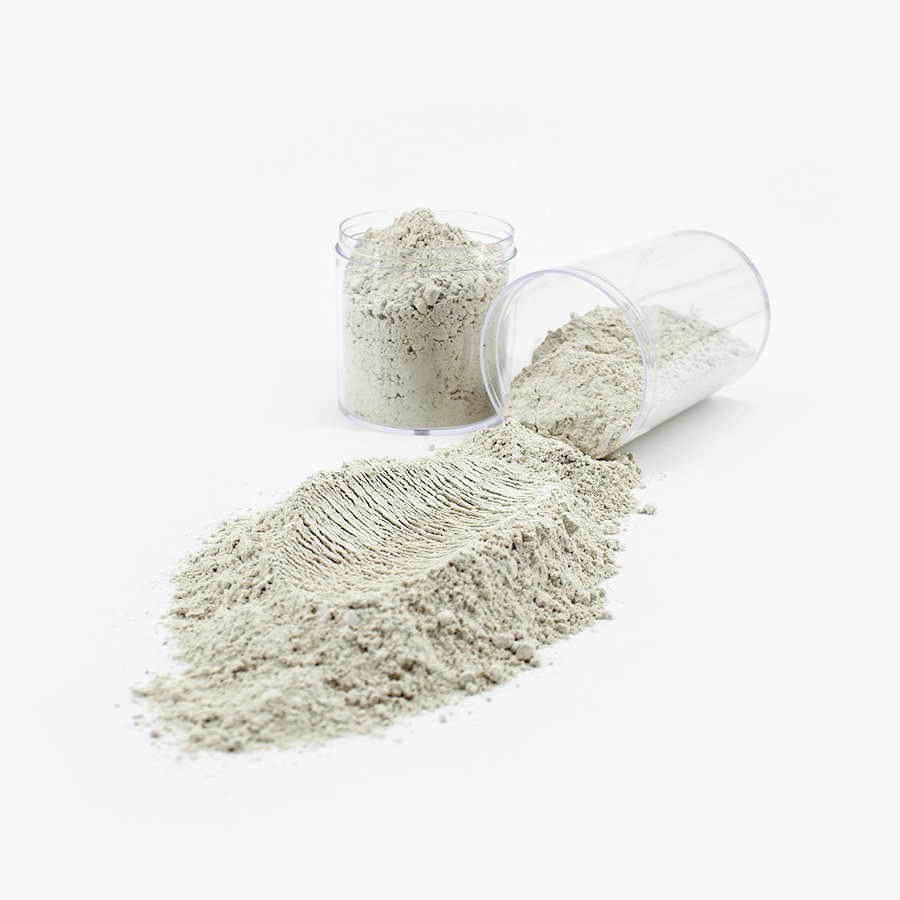
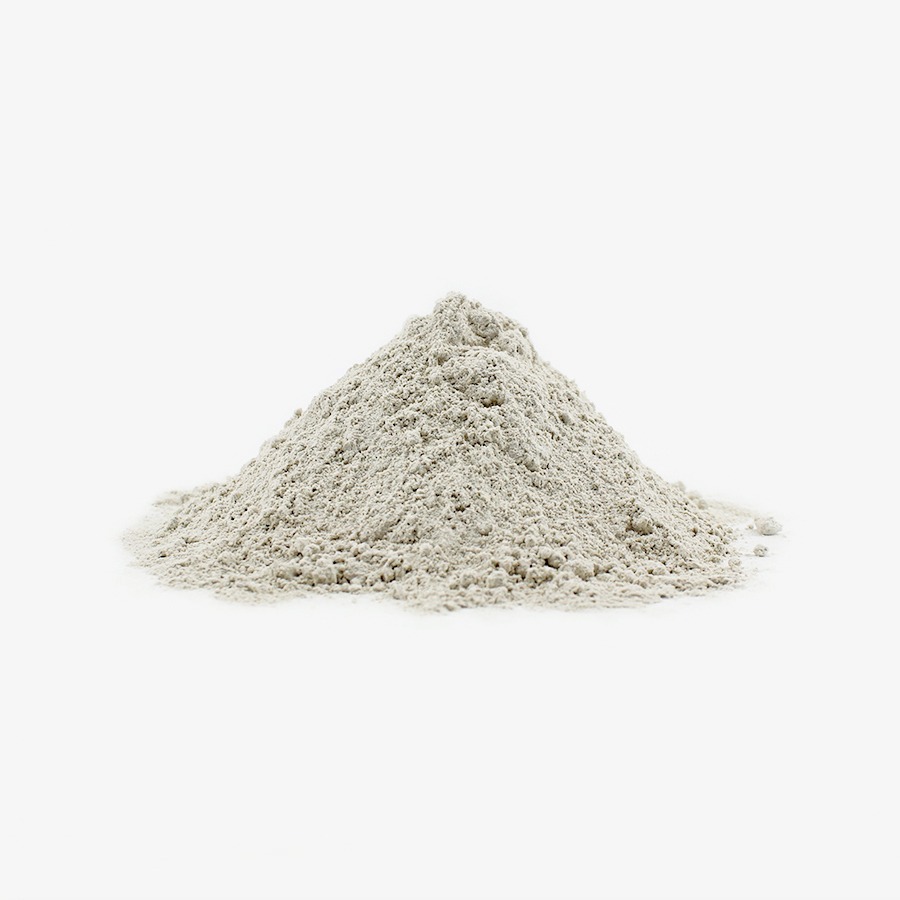
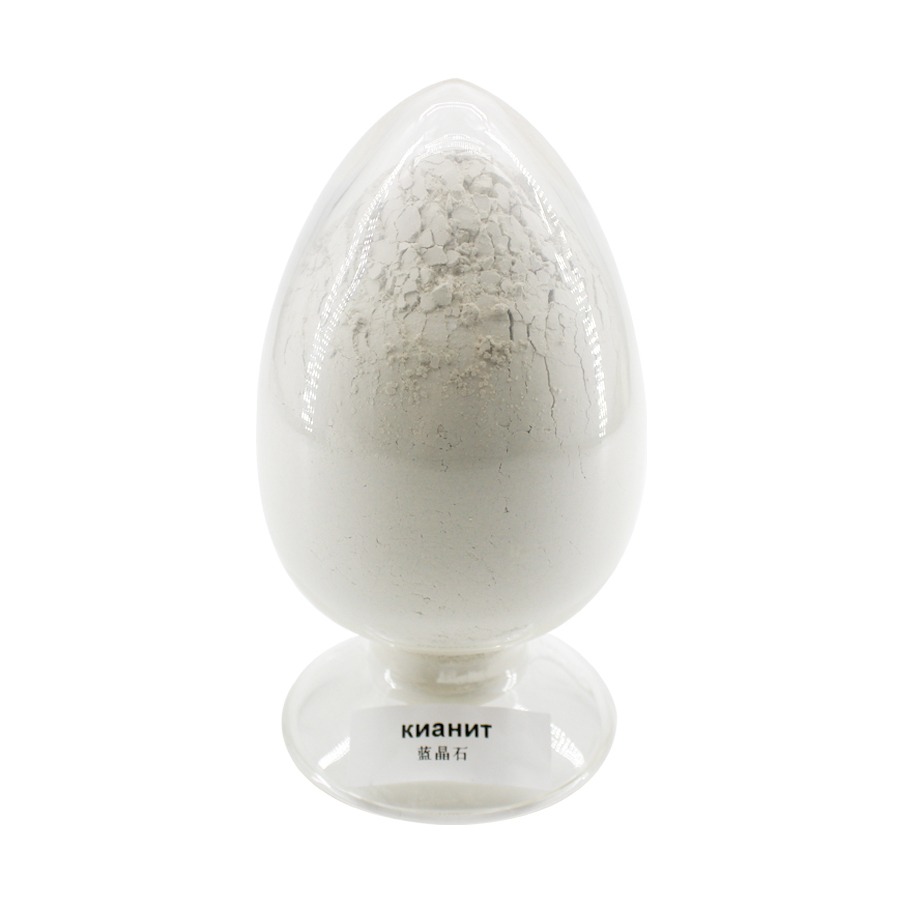
Kyanite sand is a naturally occurring aluminosilicate mineral with the chemical formula Al₂SiO₅, while kyanite powder is its refined, milled derivative. Belonging to the triclinic crystal system, kyanite sand (powder) is distinguished by its high alumina (Al₂O₃) content (typically 48–58%) and unique anisotropic properties. Unlike other refractory minerals, it exhibits excellent volume stability at high temperatures and converts to mullite—a high-strength, heat-resistant phase—when calcined. The transition from sand to powder expands its applicability: kyanite sand retains granular integrity for structural uses, while the powder form offers enhanced dispersibility, enabling seamless integration with matrices like refractory mixes and ceramics.
2. Geological Origin & Global Distribution
Kyanite forms exclusively under high-pressure, low-temperature regional metamorphic conditions, primarily in metamorphic rocks such as schists, gneisses, and quartzites. It often coexists with minerals like quartz, mica, and garnet. Most exploitable kyanite deposits are primary metamorphic deposits, with limited placer deposits formed by erosion of primary rocks. Globally, major producers include Brazil, India, the United States, South Africa, and Ukraine. Brazil’s Minas Gerais region and India’s Jharkhand state are renowned for high-grade kyanite deposits, supplying over 60% of the global market with high-alumina, low-impurity ore.
3. Physical & Chemical Properties
Kyanite sand (powder) boasts exceptional physicochemical traits tailored for high-temperature industrial environments. Physically, kyanite sand appears as pale blue, white, or gray prismatic crystals with a vitreous to pearly luster, a Mohs hardness of 4.5–7, and a specific gravity of 3.53–3.65. Kyanite powder retains these thermal properties while featuring adjustable particle sizes (0.1–150 μm), large specific surface area, and good flowability. Chemically, it is highly stable, resistant to most acids and alkalis, and converts to mullite at 1100–1450℃ without significant volume change, making it ideal for refractory applications.
4. Grade Classification & Technical Specifications
Kyanite sand (powder) is classified based on Al₂O₃ content, particle size, and impurity levels, with standardized specifications to meet diverse downstream needs. Three mainstream grades are widely adopted in industry:
- High-Grade Kyanite Powder (Al₂O₃ ≥60%): Particle size 0.1–10 μm, low Fe₂O₃ (≤0.5%), for high-end refractory castables, advanced ceramics, and electronic material additives.
- Industrial-Grade Kyanite Powder (Al₂O₃ 58–59%): Particle size 10–50 μm, used in ceramic glazes, abrasive compounds, and refractory brick mixes.
- Kyanite Sand Concentrate (Al₂O₃ ≥58%): Coarse particle size (50–150 μm), suitable for refractory aggregate, foundry molds, and blast furnace linings.
Customized milling, calcination, and purification services are available to adjust properties for specific production requirements.
5. Key Industrial Applications
The superior high-temperature stability and alumina content of kyanite sand (powder) make it indispensable in refractory and advanced material sectors:
- Refractory Materials: The largest application—kyanite sand serves as aggregate in refractory bricks/lining, while the powder enhances thermal shock resistance and mechanical strength of castables for steel, glass, and cement kilns.
- Advanced Ceramics: Acts as a reinforcing additive in technical ceramics (e.g., alumina ceramics), improving hardness, wear resistance, and high-temperature stability.
- Abrasives & Polishing: Kyanite powder is used in abrasive compounds and polishing media for metal, glass, and stone, leveraging its hardness and wear resistance.
- Alumina Production: High-grade kyanite is a raw material for extracting high-purity alumina, used in aerospace alloys and electronic components.
6. Performance Advantages & Sustainable Value
Kyanite sand (powder) outperforms alternative refractory minerals with three core strengths: unique mullite conversion, high natural alumina content, and dual form factor. Compared to synthetic aluminosilicates, it offers cost advantages and abundant natural reserves. Aligned with green industrial trends, modern processing adopts energy-saving milling and water recycling systems, minimizing waste and emissions. As demand for high-temperature-resistant materials grows in metallurgy and renewable energy sectors, kyanite sand (powder) remains a critical enabler for sustainable, high-performance industrial processes.