

 Post by
 1. Definition & Core Value
Ilmenite is a naturally occurring titanium-iron oxide mineral with the chemical formula FeTiO₃, belonging to the trigonal crystal system. As the most abundant titanium-bearing mineral on Earth, it serves as the primary raw material for titanium production, accounting for over 90% of global titanium supply. Unlike high-purity rutile, ilmenite has a lower titanium dioxide (TiO₂) content (typically 40–60%) but boasts extensive reserves and cost advantages. Its dual composition of titanium and iron makes it a versatile mineral, supporting both titanium-based industries and iron extraction in some cases.
2. Geological Origin & Global Distribution
Ilmenite forms under diverse geological conditions, primarily in igneous rocks, metamorphic rocks, and placer deposits. Igneous ilmenite crystallizes from magma, often coexisting with minerals like magnetite and plagioclase. Placer deposits—formed by erosion and transportation of primary ilmenite-bearing rocks—are the main source of exploitable ilmenite due to easier mining and beneficiation. Globally, major producers include Australia, South Africa, China, India, and Brazil. Australia’s east coast and South Africa’s coastal regions are renowned for large-scale, high-grade ilmenite placer deposits.
3. Physical & Chemical Properties
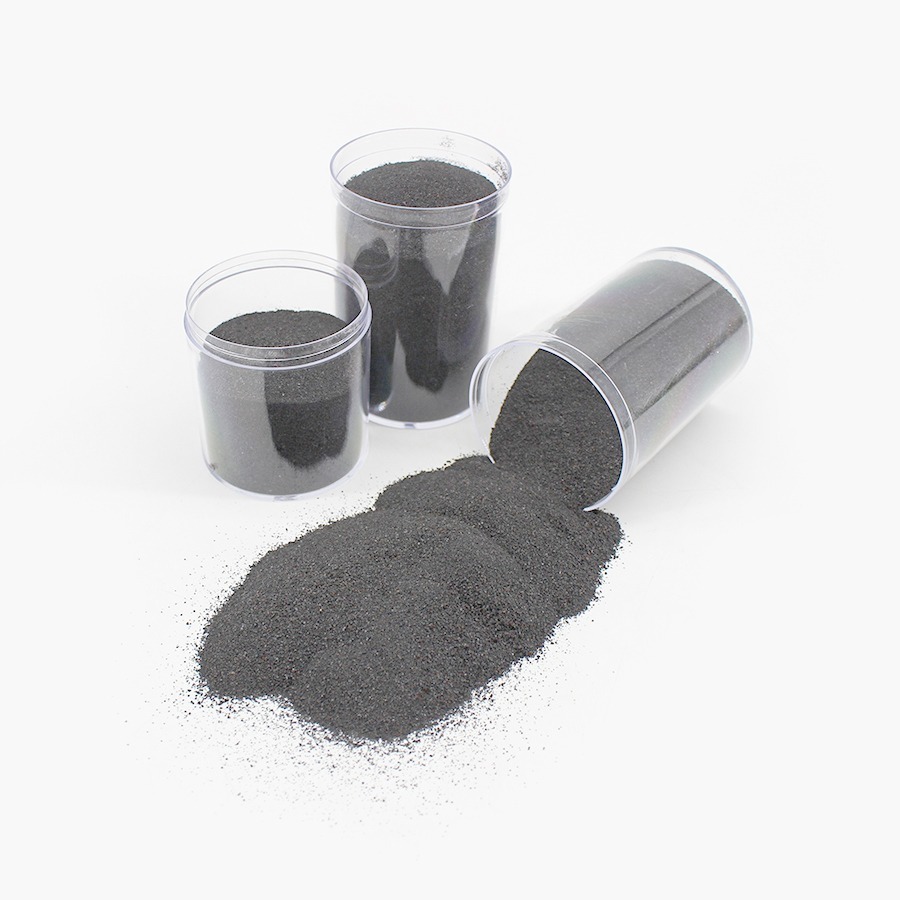
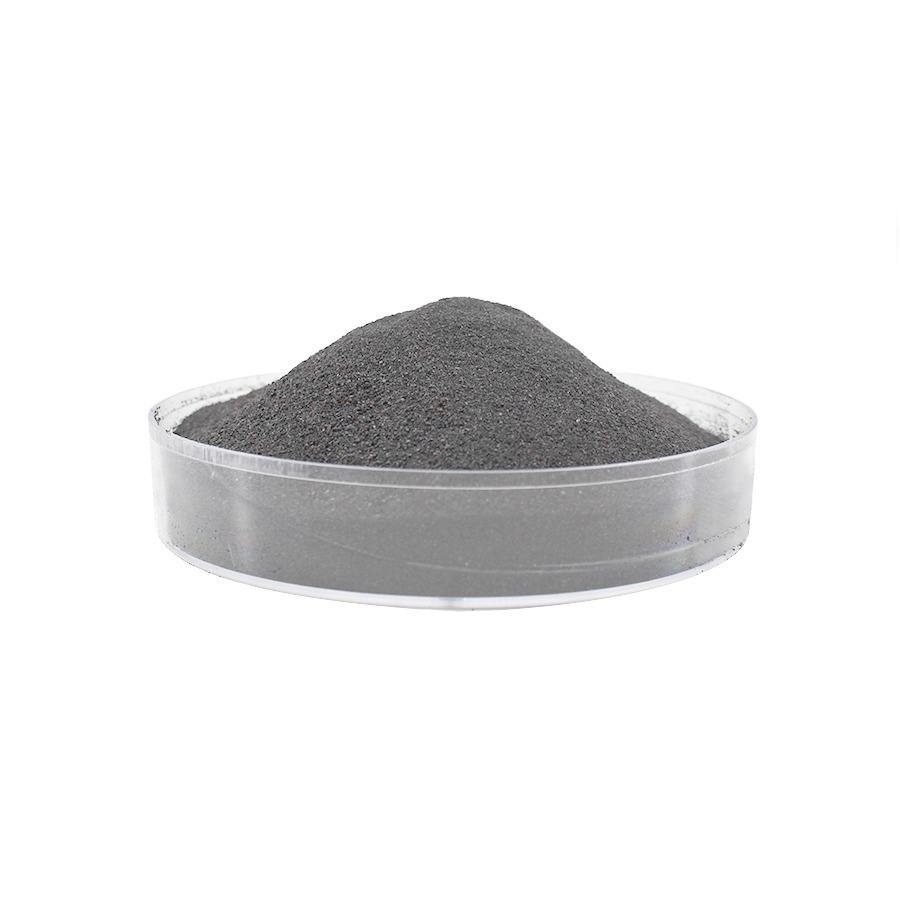
Physically, ilmenite exhibits distinct characteristics: it appears as black, brownish-black, or steel-gray crystals with a metallic to submetallic luster. It has a Mohs hardness of 5–6, a high specific gravity of 4.7–4.8, and is weakly magnetic. Chemically, it is relatively stable but can be decomposed by strong acids to extract titanium and iron. Its TiO₂ content varies by deposit, with high-grade ores reaching 55–60%, while low-grade ores typically contain 40–50% TiO₂, accompanied by impurities like iron oxides, silica, and alumina. It has a melting point of approximately 1,540℃, making it suitable for high-temperature processing.
4. Grade Classification & Technical Specifications
Ilmenite is classified into grades based on TiO₂ content, impurity levels, and application scenarios, with standardized specifications to meet downstream processing needs. Three mainstream grades are widely adopted globally:
- High-Grade Ilmenite (TiO₂ ≥55%): Low impurity content (Fe₂O₃ ≤30%, SiO₂ ≤2%), suitable for producing synthetic rutile and high-purity titanium dioxide pigments.
- Medium-Grade Ilmenite (TiO₂ 50–54%): Cost-effective, used in ilmenite concentrate production for titanium slag smelting and general-purpose TiO₂ manufacturing.
- Low-Grade Ilmenite (TiO₂ 45–49%): Higher impurity content, primarily used in ironmaking auxiliary materials and low-cost titanium-based products.
Customized beneficiation services are available to upgrade low-grade ilmenite to meet specific processing requirements.

5. Key Industrial Applications
Ilmenite’s primary value lies in titanium extraction, serving as the cornerstone of the global titanium industry. Its core applications include:
- Titanium Dioxide (TiO₂) Pigments: After beneficiation and processing, ilmenite is converted into TiO₂ pigments, widely used in paints, plastics, paper, and coatings for whiteness and opacity.
- Synthetic Rutile Production: High-grade ilmenite is processed via chemical methods to produce synthetic rutile, a raw material for titanium metal smelting.
- Ironmaking & Alloy Production: Ilmenite with high iron content is used as a flux in steelmaking, or to produce ferrotitanium alloys, which enhance steel’s strength and corrosion resistance.
- Refractory Materials: Calcined ilmenite is mixed into refractory linings for high-temperature furnaces, improving thermal shock resistance and erosion resistance.
6. Competitive Advantages & Market Significance
Ilmenite’s core competitive advantages lie in its abundant global reserves, low mining cost, and multi-functional value. Compared to natural rutile, it is more accessible and cost-effective, making it the dominant raw material for titanium production. Aligned with sustainable industrial trends, modern ilmenite beneficiation and processing adopt energy-saving technologies, recycling by-products and reducing waste emissions. As demand for titanium-based materials grows in aerospace, renewable energy, and automotive industries, ilmenite remains irreplaceable in securing the global titanium supply chain, underpinning the development of high-performance and green manufacturing.