

 Post by
 1. Definition & Engineering Significance
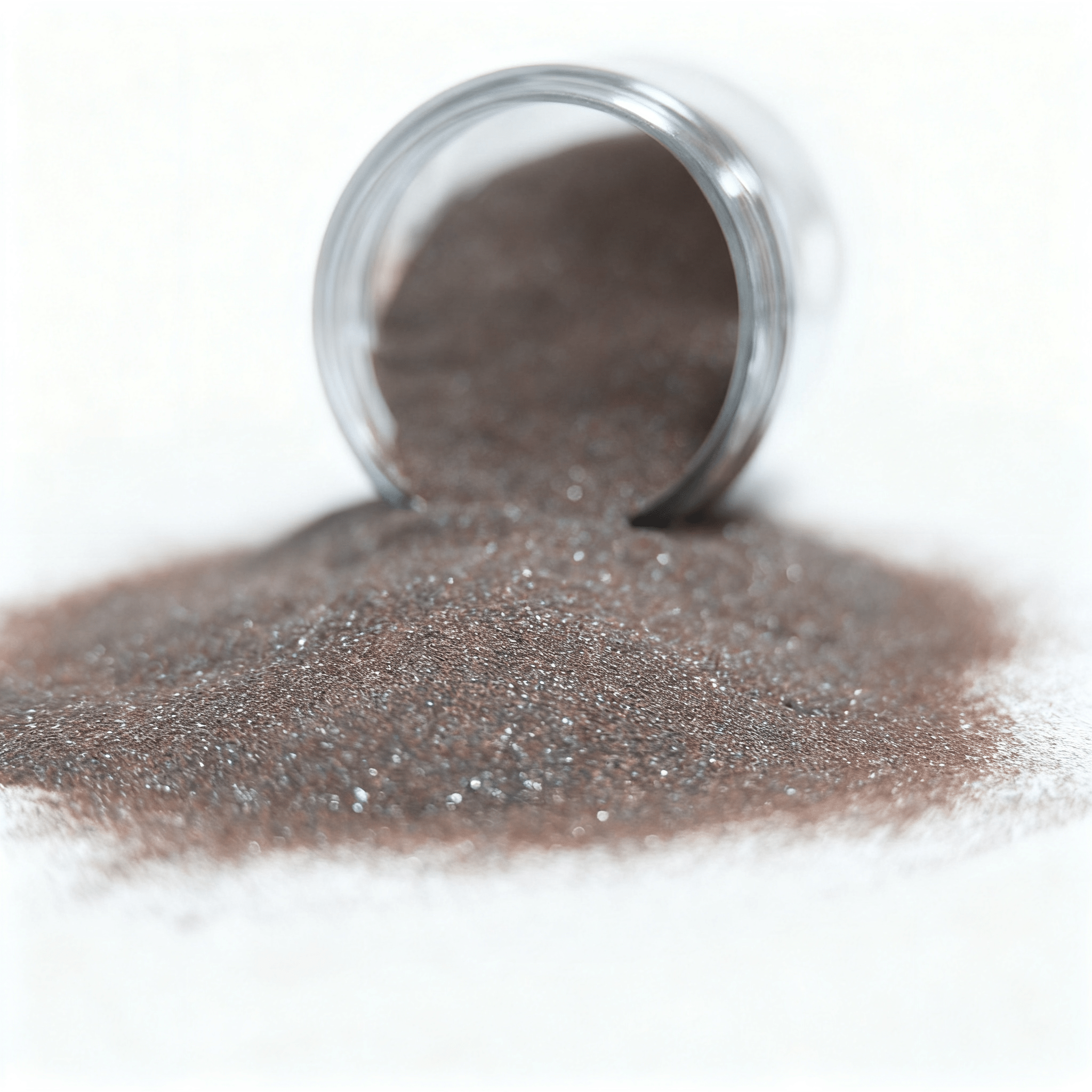
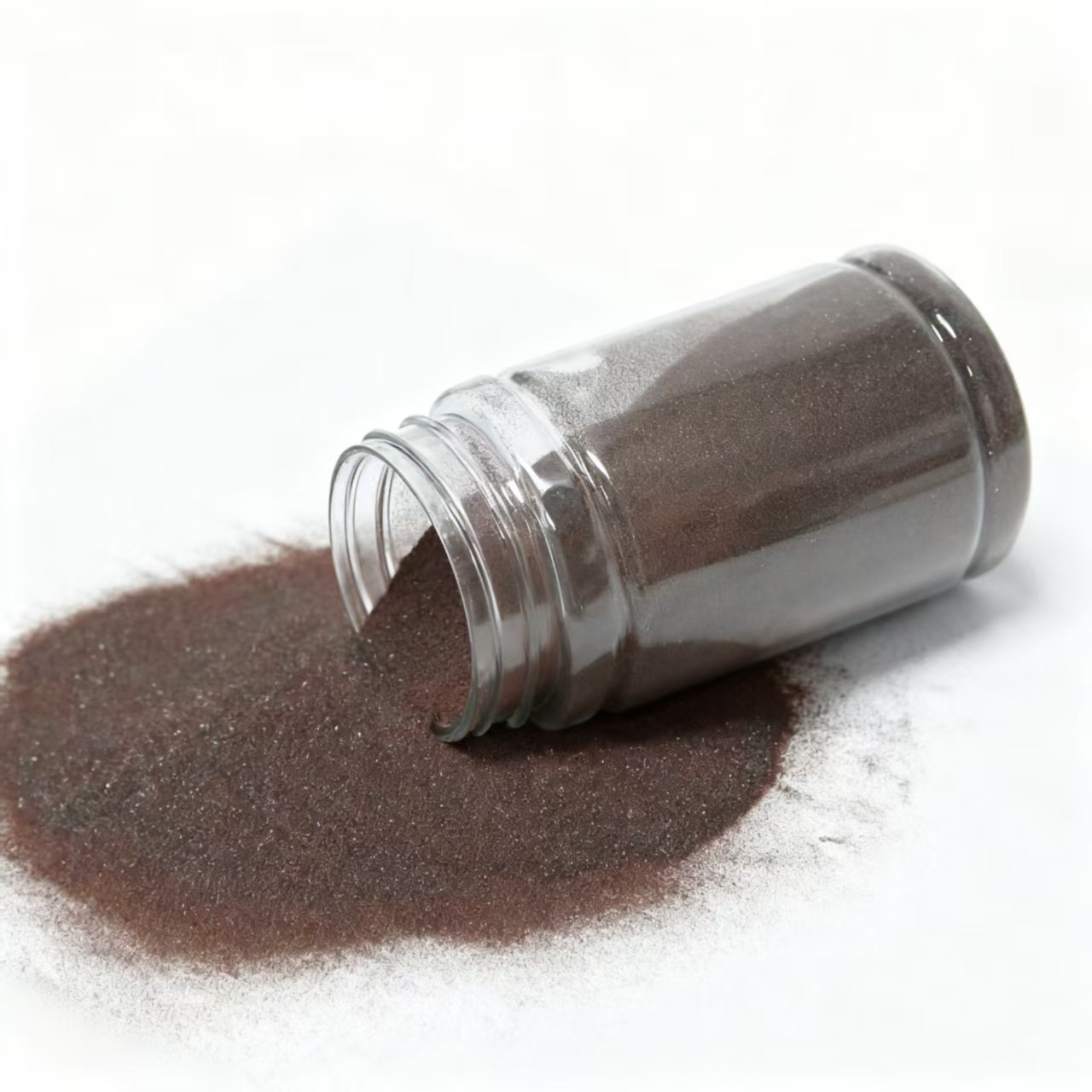
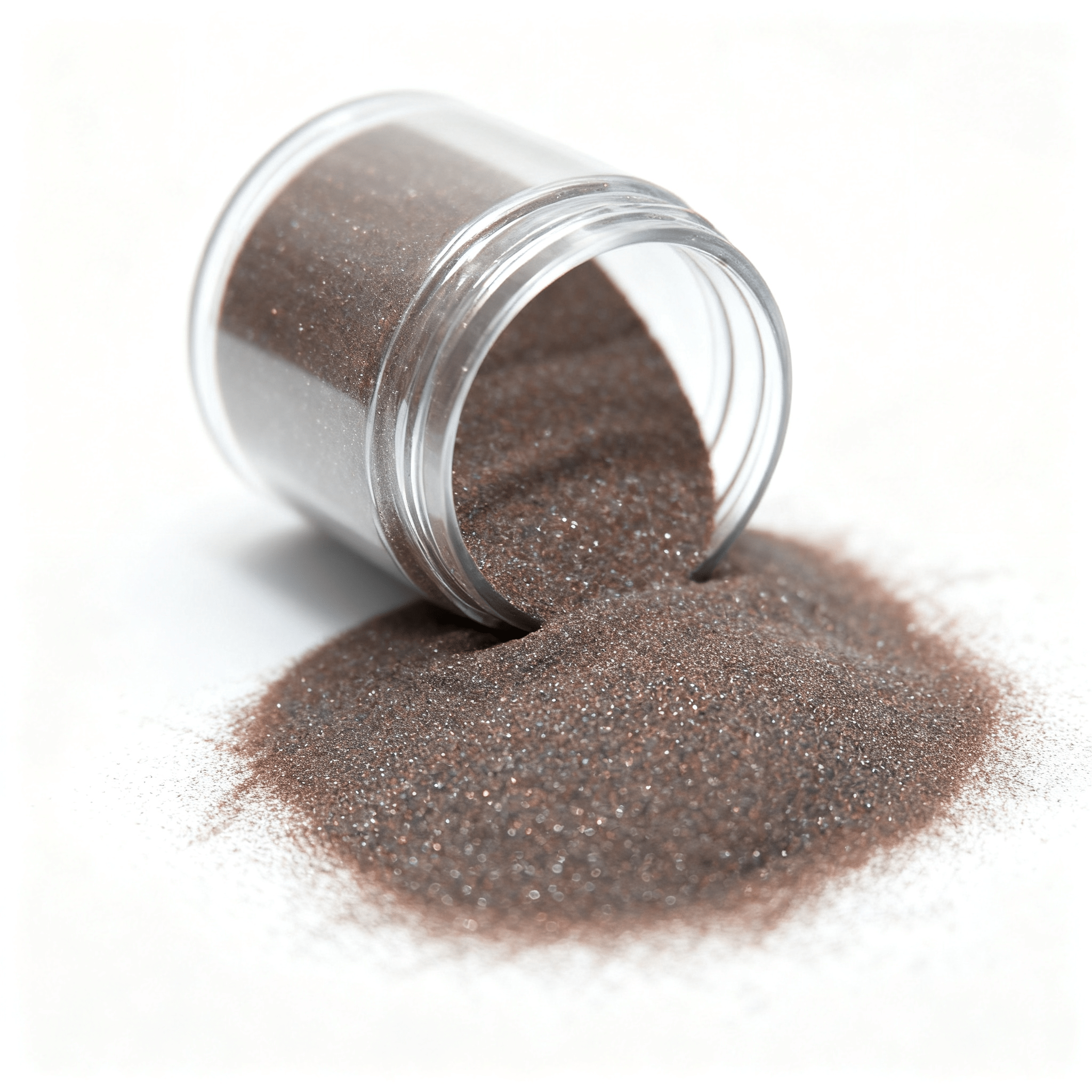
Calcined rutile is a value-added engineered mineral derived from high-purity natural rutile through controlled high-temperature calcination and subsequent refinement. This thermal modification process reorganizes the mineral’s crystalline structure, eliminates volatile impurities, and enhances its intrinsic performance. Unlike raw natural rutile, calcined rutile boasts tailored stability and adaptability, serving as a critical intermediate material that bridges natural mineral purity with industrial-grade reliability. Its unique engineering properties make it a preferred choice in sectors requiring consistent high-temperature resistance and chemical inertness.
2. Calcination Process & Quality Assurance
The production of calcined rutile follows a rigorous, precision-controlled workflow to ensure batch-to-batch consistency. High-grade natural rutile concentrate (TiO₂ content ≥90%) is first crushed, classified, and pre-purified to remove iron oxides, zircon, and other gangue minerals. The refined material is then fed into rotary or shuttle kilns for oxygen-rich calcination, where temperature and residence time are strictly monitored to avoid over-sintering or crystal phase distortion. Post-calcination, the product undergoes gradual cooling, regrinding, and screening to achieve customized particle size distribution. In-line quality checks—including TiO₂ purity, loss on ignition (LOI), and particle size analysis—are implemented throughout the process, adhering to international industrial standards for downstream applicability.
3. Enhanced Physicochemical Properties
Calcination fundamentally upgrades the physicochemical traits of rutile to meet industrial demands. Chemically, it features concentrated TiO₂ content (92–98%), ultra-low LOI (≤0.5%), and exceptional resistance to acids, alkalis, and thermal decomposition (stable up to 1600℃). Physically, the process densifies the crystalline structure, increasing Mohs hardness to 6.5–7.0 and bulk density to 4.3–4.5 g/cm³ while reducing porosity. Unlike natural rutile, it is non-hygroscopic and avoids volume shrinkage in high-temperature environments—eliminating raw material instability risks in continuous industrial operations and ensuring consistent end-product quality.
4. Grade Classification & Technical Specifications
Calcined rutile is categorized into graded products based on TiO₂ purity, particle size, and targeted applications, with standardized specifications to match diverse downstream needs. Two core grades dominate global industrial procurement:
- High-Purity Grade (TiO₂ ≥96%): Characterized by ultra-low impurities (Fe₂O₃ ≤0.3%) and fine particle size (100–325 mesh), it is ideal for high-end refractories, optical coating additives, and titanium alloy smelting auxiliaries.
- Industrial Grade (TiO₂ 92–95%): Optimized for cost-effectiveness with adjustable particle size (10–200 mesh), it is widely used in welding electrodes, abrasives, ceramic glazes, and TiO₂ pigment production.
Customized processing is available to align with specific production line requirements of manufacturers.
5. Key Industrial Applications
The engineered performance of calcined rutile makes it indispensable across multiple high-value industrial sectors, with its advantages directly translating to improved end-product quality:
- Welding Materials: As a flux component in low-hydrogen electrodes, it stabilizes arcs, reduces spatter, and enhances weld corrosion resistance.
- Refractories: Blended into furnace linings and casting coatings, it boosts thermal shock and erosion resistance in metallurgical and glass manufacturing.
- Abrasives & Ceramics: Acts as a hardening additive for industrial abrasives and a flux for ceramic glazes, improving hardness and surface finish.
- Pigment & Smelting: Serves as a premium feedstock for TiO₂ pigments and a titanium-bearing additive to optimize alloy smelting efficiency.
6. Competitive Advantages & Sustainable Value
Calcined rutile outperforms alternatives with three core strengths: engineered stability for continuous production, cost efficiency (lower processing costs than synthetic rutile), and supply flexibility (customizable grades). Aligned with green industrial trends, its production adopts energy-saving calcination technologies, featuring low exhaust emissions and over 95% raw material utilization to minimize waste. As a key enabler for advanced manufacturing and green metallurgy, it helps downstream industries improve efficiency and reduce environmental impact—embodying the value of engineered minerals for sustainable performance.